Environmental and Social Screening: A Catalyst for Inclusive Growth among MSMEs
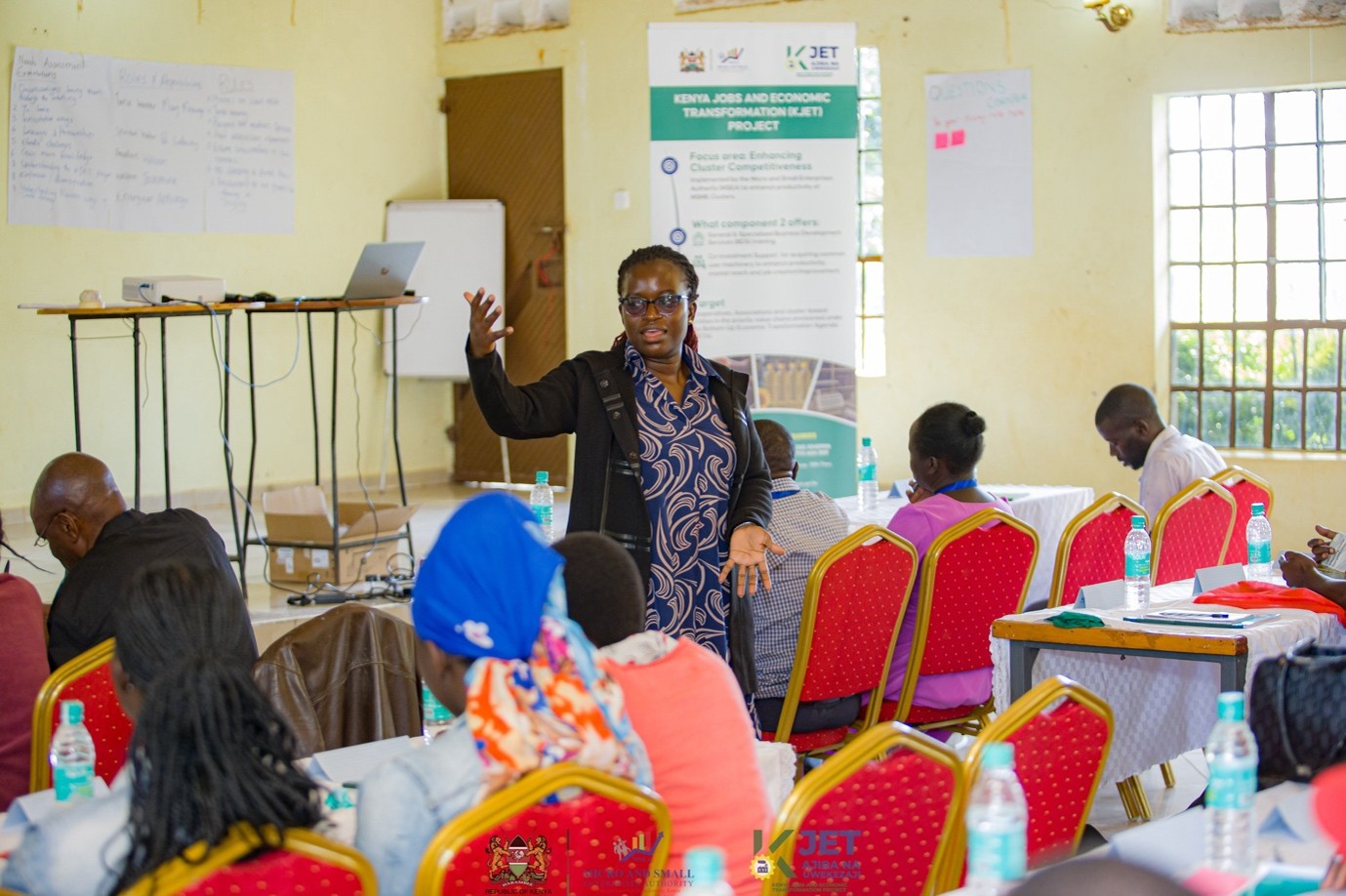
Environmental and social screening of enterprises provides a foundation for supporting business growth that protects workers, communities and natural resources. Conducted under the Kenya Jobs and Economic Transformation Project, the exercise covered 47 counties and assessed enterprises across sectors, including dairy, construction, textiles, leather, edible oils, the blue economy, coffee and tea.
The KJET Project, a five-year initiative by the Government of Kenya and funded by the World Bank, aims to support enterprises in improving productivity, accessing markets, adopting better technologies, and ultimately creating quality jobs. Some participating clusters may also receive support to acquire machinery and other productive assets. Before such investments are made, the project must understand how each enterprise operates, the environmental and social risks associated with its activities, and the measures required to manage them. This process, known as environmental and social screening, involves reviewing project activities to identify potential social and environmental risks before support is provided.
The screening aligns with Kenya’s Environmental Management and Co-ordination Act, 1999 (amended in 2015), and with NEMA regulations. These laws require businesses to prevent pollution, manage waste responsibly, and protect water, air, land, and public health. The process also complies with the World Bank Environmental and Social Framework, which promotes early risk identification and appropriate mitigation measures.
Evaluating MSME Clusters: Insights from the cohort 1 Screening Exercise
Screening was important because business expansion can create jobs and income, but it may also increase waste, water use, energy demand, noise, emissions and workplace accidents. Poorly managed liquid waste, oils, manure and chemicals may pollute rivers, groundwater and soil. The purpose of the screening exercise was to identify gaps early and guide support before risks become serious. It also established baseline information that the project can use to measure improvement over time. The screening combined questionnaires, interviews, document reviews and direct observation of enterprise activities. It assessed worker safety, waste management, resource use, labour practices, community safety, inclusion and compliance requirements.
The findings show that MSME clusters are key sources of employment and local economic activity. Women and young people participate strongly in many enterprises, while the clusters support farmers, traders, transporters and suppliers through local business links. This is a positive finding, as it shows that MSMEs can widen access to income, strengthen local supply chains and support inclusive economic growth.
However, many enterprises still operate informally. Some lacked written employment agreements, safety procedures, environmental licences and formal complaints systems. In several cases, businesses had good practices but did not document them. This is a concern because weak record-keeping makes it difficult to protect workers, demonstrate compliance, resolve complaints and track business performance.
Many enterprises offered basic protective clothing; however, fewer had trained first aiders, emergency plans, fire safety measures, or formal accident reporting procedures. Sectors such as construction, agro-processing, and blue economy faced greater risks because of dust, machinery, heavy materials, and water-based activities. Without proper emergency plans, first aid support, and incident reporting systems, workers remain vulnerable during accidents.
Waste management practices varied across the clusters. Dairy enterprises primarily generated liquid and organic waste, whereas the construction, textile and leather clusters produced rubble, scrap metal, oils, fabric waste and packaging materials. Some clusters reused materials or composted organic waste. These practices are commendable, as they reduce the volume of waste requiring disposal and can lower production costs. However, many enterprises lacked proper waste separation, storage, treatment and disposal systems. This creates risks of pollution, unsafe working conditions and potential harm to surrounding communities.
The findings also revealed limited use of clean energy and weak monitoring of water consumption. Many enterprises relied on electricity, diesel and firewood, while solar use remained low. Dependence on fuel and inefficient energy sources can increase operating costs, emissions and exposure to fuel price changes. Poor water monitoring makes it difficult for businesses to detect waste, reduce costs and prepare for periods of scarcity.
Most identified risks can be managed through practical, low-cost measures, including improved housekeeping, worker training, clear procedures and proper waste management. To implement these measures, the next step is to prepare cluster-specific environmental and social management plans (ESMPs). The ESMPs will translate the screening findings into clear, trackable actions by identifying the required measures, responsible persons, timelines and monitoring arrangements. Clusters seeking support to acquire machinery will undergo further screening before approval. This will confirm that the proposed equipment can be installed, operated and maintained safely, without creating avoidable risks to workers, surrounding communities or the environment.
To support these enterprises, the project will deliver targeted training on workplace safety, emergency preparedness, waste management, resource efficiency, equitable employment practices, inclusion, and grievance handling. Ongoing monitoring will oversee progress, ensure the implementation of agreed-upon actions, and address emerging risks.